How to Review a Teapot: Pour Test, Heat Retention, and Cleanup Checklist
A repeatable framework for judging any teapot — how to test the pour, measure heat retention, check handle...

Five very different cups sit on the counter, and every one of them began as leaves on the same species of shrub: Camellia sinensis. What separates a pale, honeyed silver needle from a brisk, malty Assam is not the plant. It is what happens after picking — how long the leaf is allowed to oxidize, how it is heated, rolled, roasted, or aged. Once that clicks, the labels on the shelf stop being a mystery. Below is how each core type is made, what it actually tastes like, and how to brew it so its best qualities show up in the cup.
Tea makers work with a small set of levers, and the combination of them produces every style you'll find in a shop.
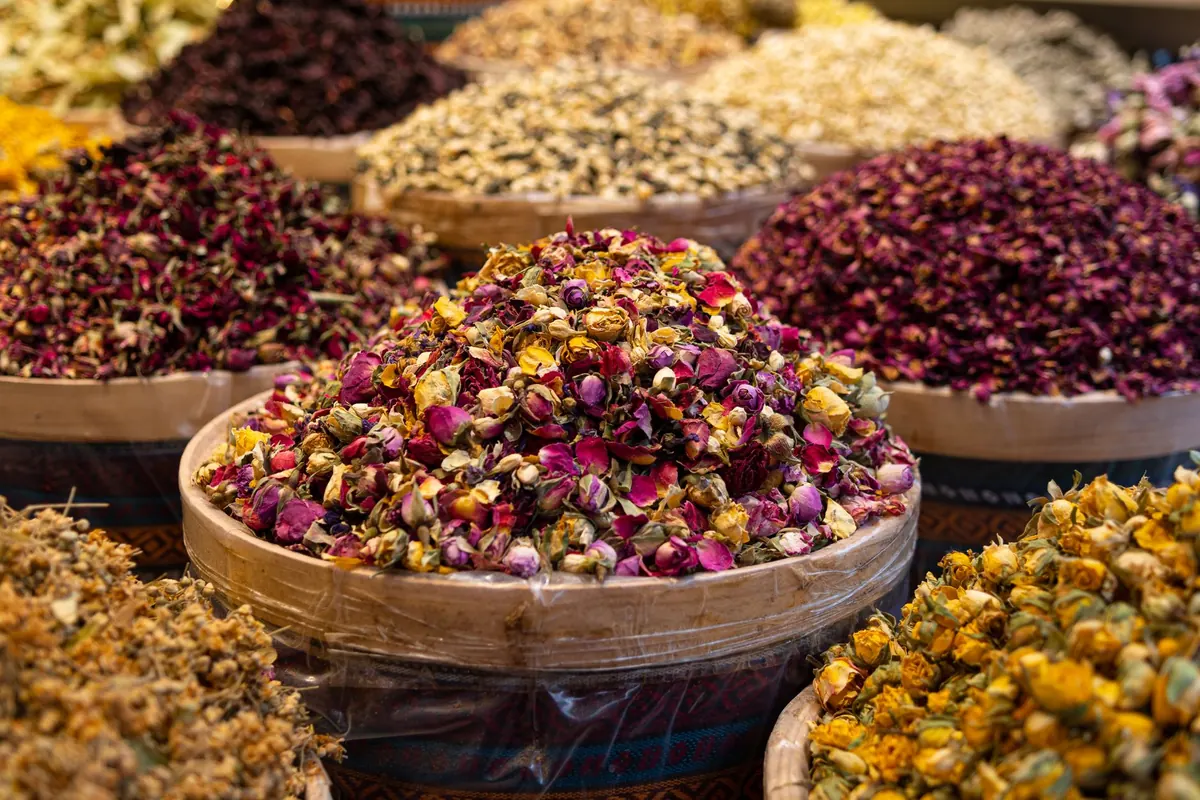
One clarification worth keeping: true tea comes from Camellia sinensis. Chamomile, rooibos, peppermint, and hibiscus are tisanes, and they behave differently in the pot.
White tea is the least handled. Buds and young leaves are withered and dried, often in the sun, with little or no rolling. Oxidation stays low, so the cup tends toward hay, honeydew, cucumber, apricot, and soft florals rather than anything sharp.
Two names are worth knowing. Silver Needle is made almost entirely of fat, downy buds and tastes delicate and faintly sweet. White Peony includes a bud plus a few leaves, which gives more body and a slightly darker, fruitier cup. Because the leaves are unbroken, use more of them than you think you need — about a rounded tablespoon per cup — and let them steep a little longer than green tea.
Green tea is heated soon after picking to halt oxidation. The result is vegetal and bright, but the exact character depends on how it was heated, which is why two green teas can taste like they came from different plants.
Steamed teas, most famously from Japan, run marine and savory. Sencha has a clean grassy snap; gyokuro is deeper and brothy; matcha is the same leaf ground to powder and whisked into suspension, giving a thick, bittersweet cup. Pan-fired Chinese greens like Longjing (Dragon Well) are chestnutty, toasted, and a touch sweeter.
Keep the water under a boil — around 160–175°F (70–80°C) for delicate steamed teas, slightly hotter for pan-fired ones. Steep one to two minutes. If your green tea turns harsh and bitter, the water was almost certainly too hot or the steep ran long; both are easy to fix. Loose leaf also gives you far more room to adjust than a bag.
Oolong covers the ground between green and black, with oxidation anywhere from light to heavy, and often a roast on top of that. This is the most varied category in tea, and it rewards exploring.
Lightly oxidized oolongs such as Tieguanyin and Dong Ding are floral and buttery, with notes of orchid, cream, and green apple. Heavily oxidized or roasted examples — Da Hong Pao, many Phoenix Dan Congs — go toward roasted nuts, cocoa, stone fruit, and caramel. Most oolongs are rolled into tight balls or twisted strips that unfurl slowly, which is why they shine with short, repeated steeps rather than one long one. Start around 195–205°F (90–96°C), steep for 30 to 45 seconds, and add a few seconds each time you rebrew. Good oolong can give five or more infusions from the same leaves.
Black tea is fully oxidized, which builds the brisk, tannic structure and dark color people expect. Within that, regional styles differ enough to be worth seeking out. Assam is malty and full-bodied, the classic breakfast cup. Darjeeling, grown in the Himalayan foothills, is lighter and floral with a muscat grape note. Ceylon is bright and citrusy. Keemun from China is smoother, with cocoa and a faint smokiness.
Black tea is the most forgiving type to brew. Water just off the boil, 200–212°F (93–100°C), and three to five minutes will get you a solid cup. It stands up to milk, sugar, and spices better than any other type, which is why it anchors chai and most breakfast blends. If you drink it plain, back off to three minutes to keep the tannins in check.
Pu'er comes from Yunnan and goes through a step no other type does: microbial fermentation, often followed by years of aging. It is sold compressed into cakes or as loose leaf, and it splits into two broad styles. Sheng (raw) is essentially sun-dried green tea that ferments slowly over time; young sheng is bitter and bracing, while aged sheng turns deep, sweet, and woody. Shou (ripe) is pile-fermented with moisture and heat to speed the process, producing a dark, smooth cup right away.
Expect forest floor, damp wood, leather, camphor, dried fruit, and a lingering sweetness that seems out of proportion to the aroma. Brew it hot — near boiling — and rinse the leaves once with hot water for a few seconds before the first real steep, discarding that rinse. Then steep 15 to 30 seconds at a time, adding a little each round. Keep cakes somewhere dry, dark, and away from strong smells.
These are starting points, not rules. Adjust to taste, and change the amount of leaf before you change the time.
Three habits make the biggest difference. Weigh or roughly measure your leaf — about 2 to 3 grams per 8 ounces of water for a standard mug, more for gongfu-style brewing in a small vessel. Use filtered water and preheat your pot or cup. And taste as you go: pull the leaves out when the cup pleases you, and use that as your benchmark next time.
One last note: caffeine content varies by tea type, leaf quantity, and steep time, with black and pu'er generally landing higher than white and green. If caffeine is something you need to manage, it is worth talking with a healthcare professional about what fits your situation.
Photo: Mahmoud Yahyaoui / Pexels
A repeatable framework for judging any teapot — how to test the pour, measure heat retention, check handle...
A beginner's guide to tea accessories: the few tools that genuinely improve your brewing, the order to buy...
Loose leaf and tea bags compared on flavour, cost per cup, convenience and waste — plus a practical way to...