How to Review a Teapot: Pour Test, Heat Retention, and Cleanup Checklist
A repeatable framework for judging any teapot — how to test the pour, measure heat retention, check handle...

Two teas from the same Darjeeling garden, picked six months apart, can taste less like relatives than like strangers sharing a surname. One is pale, piercing and floral; the other is amber, round and humming with muscatel. If you have ever bought a tin labeled simply "Darjeeling" and wondered why the next tin tasted nothing like it, the harvest date is usually the answer.
Here is how first flush and autumn flush differ in the cup, and how to brew each so it shows its best side.
First flush is the first picking after winter dormancy, usually late March into April, from bushes that have been resting for months. Growth is slow and small: two leaves and a bud, tender and thin. The leaf is lightly oxidized, often closer to a green or oolong style than to a classic black tea, which is why the liquor pours pale gold-green rather than red-brown.
Autumn flush comes after the monsoon, roughly October into November. The bushes have pushed through a wet, fast-growing summer, and the leaf that returns in cooler, drier air is thicker and more developed. It is oxidized further, and it brews dark amber with a sweet, fruity depth. Between the two sits second flush, the muscatel darling of early summer, which is a story for another cup.
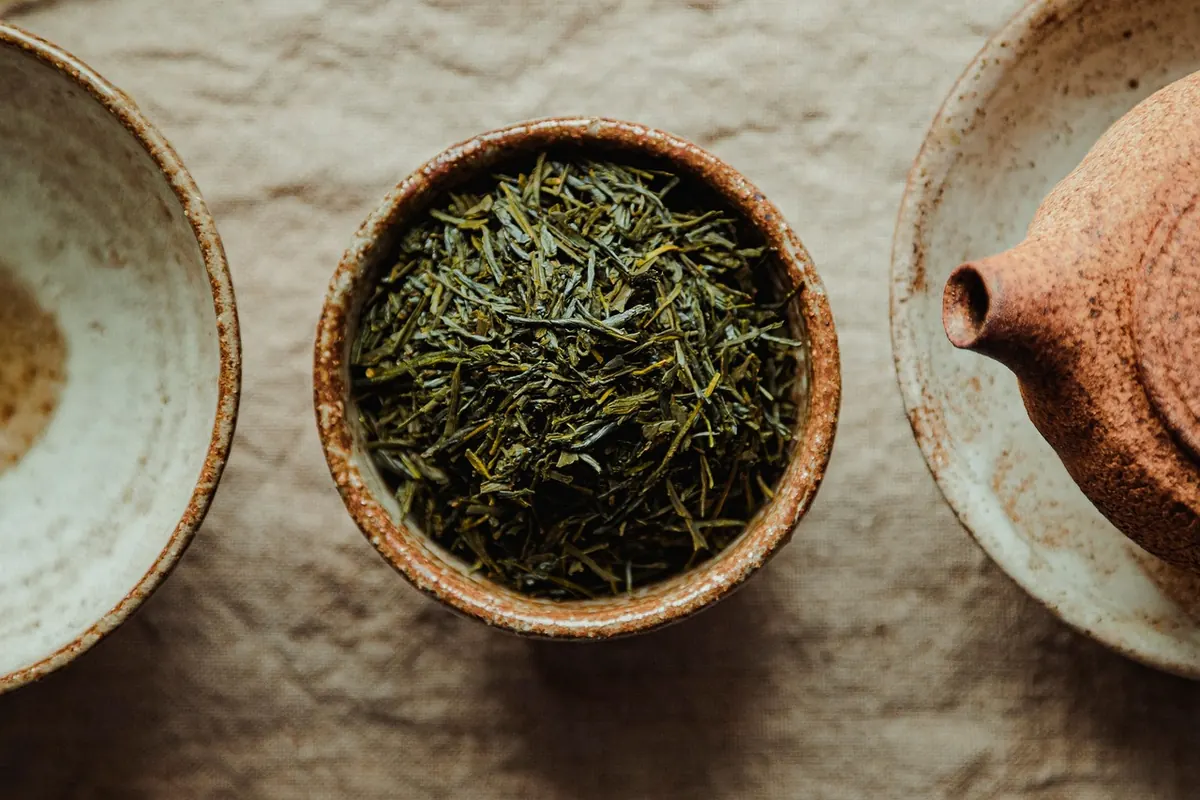
Put both dry leaves in separate warmed cups and smell before you add water. This is where the difference lands first, and it is hard to miss.
First flush is light — genuinely light, closer to a high-grown oolong in weight than to a breakfast blend. The liquor looks like pale straw with a green cast. It feels silky at the front of the tongue and then thins out quickly, which is part of its charm: it is a tea you notice with your nose as much as your mouth.
Autumn flush has more substance. Not heavy, but rounder, with a syrupy middle and a finish that lingers. The color runs from deep gold to coppery amber, and the texture coats the mouth rather than gliding across it. If you like the idea of Darjeeling but find spring teas too delicate, autumn is likely your cup.
Astringency is the drying, mouth-puckering sensation from tannins, and it is the trait that divides people most sharply on Darjeeling.
First flush carries high, bright astringency, especially if brewed hot or long. Handled well, it reads as briskness — a clean grip that makes the floral notes sharper. Handled carelessly, it turns chalky and bitter, and no amount of milk will fix it. Keep the water cooler and the time short.
Autumn flush is more forgiving, with a softer, slower-building astringency that sits at the back of the throat and fades into sweetness. It has enough structure to hold a splash of milk, though most drinkers will not want it.
Treat them as two different teas, because that is what they are. Use roughly 3 grams of leaf per 200 ml (about a heaped teaspoon per small cup), and preheat your vessel.
One habit worth building: always smell the wet leaf after the pour. First flush leaf smells like a garden after rain; autumn leaf smells like the fruit bowl at the end of the week. Those two aromas tell you within seconds whether your brewing is on track.
If you want the comparison to land, taste them in the same sitting, in the same size cup, brewed to the parameters above. Start with first flush while your palate is fresh — its delicacy disappears behind anything stronger.
Drink slowly and note four things in order: aroma, first sip, the middle, and the finish thirty seconds later. First flush shows a quick arc: bright entry, light middle, clean drying finish. Autumn flush builds: soft entry, fuller middle, long sweet tail. Slurping a little air across the tea helps the aromatics reach your nose, and a plain cracker or a sip of warm water between cups resets your palate.
A useful shorthand: first flush is a spring morning; autumn flush is a late afternoon in the orchard. Same hills, different light.
Choose first flush when you want something bright, aromatic and delicate, and when you are willing to pay attention to water temperature. It suits a quiet morning and pairs well with light food: toast, plain scones, a mild cheese. It is a poor match for milk and sugar, which bury everything that makes it worth drinking.
Choose autumn flush when you want comfort and depth without much fuss. It works in the afternoon, stands up to a biscuit or a piece of dark chocolate, and forgives a kettle that is still too hot. It is also the easier tea to serve to guests who are used to stronger black teas.
Both keep well in a sealed tin away from light, heat and spices, and both are best drunk within a year of harvest. Buy small amounts, write the flush and the year on the tin, and taste them against each other. That comparison, repeated a few times, will teach you more about Darjeeling than any label ever will.
Photo: mirkostoedter / Pixabay
A repeatable framework for judging any teapot — how to test the pour, measure heat retention, check handle...
A beginner's guide to tea accessories: the few tools that genuinely improve your brewing, the order to buy...
Loose leaf and tea bags compared on flavour, cost per cup, convenience and waste — plus a practical way to...