How to Review a Teapot: Pour Test, Heat Retention, and Cleanup Checklist
A repeatable framework for judging any teapot — how to test the pour, measure heat retention, check handle...

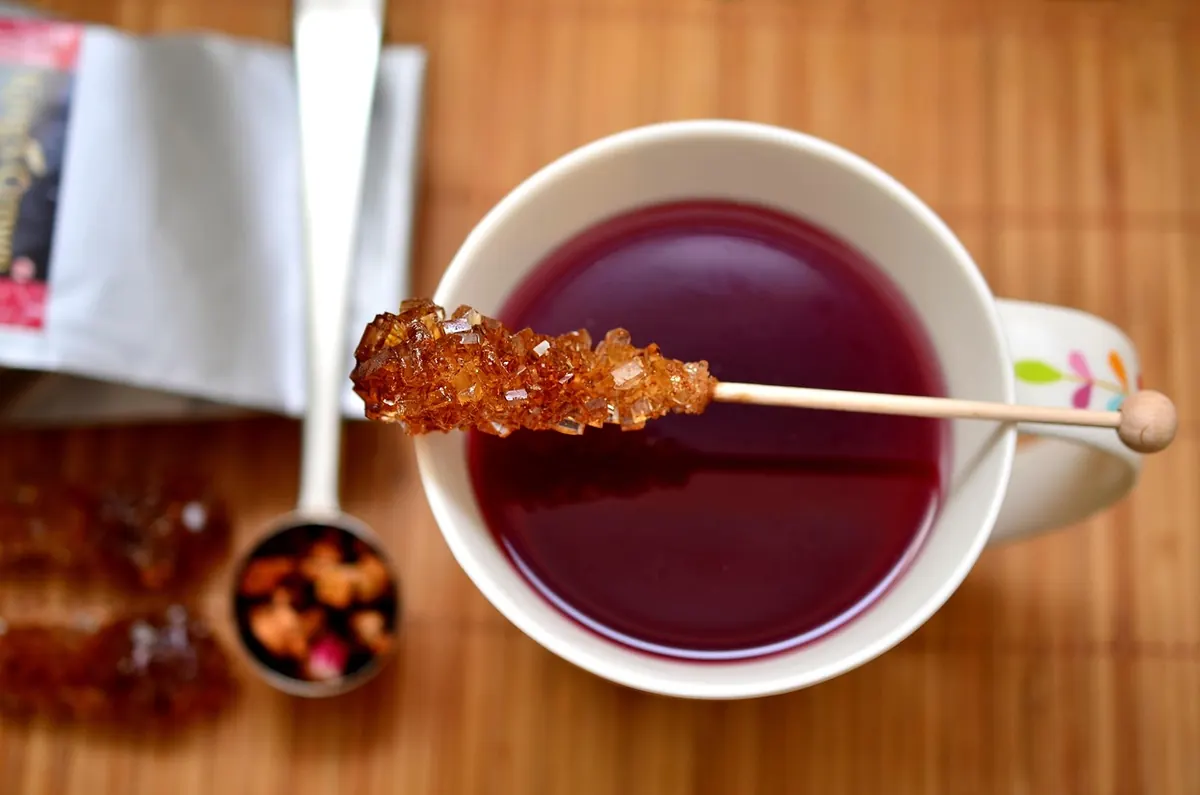
A tea bag is a small engineering compromise: crushed leaf, sealed in a porous pouch, built to brew a drinkable cup in three minutes. Loose leaf asks more of you — a spoon, a strainer, a minute of attention — and in return it gives the leaf room to open. Neither format is automatically better. What matters is which one keeps you drinking tea you actually enjoy.
Here's how they compare on the four things that usually decide it.
Most supermarket bags hold fannings — leaf fragments small enough to brew fast and strong enough to survive milk. That's useful if you want a sturdy breakfast blend in a hurry. It also means the leaf gives up everything at once: the pleasant aromatics and the bitter compounds arrive together, which is why a bag left two minutes too long turns harsh rather than merely strong.
Loose leaf is usually whole or nearly whole leaf. It needs space to rehydrate, and as it opens it releases flavour in stages, so the cup has more range — sweetness first, then body, then a finish. The same leaf often gives a second, sometimes a third, decent steep.
Two caveats. Plenty of bags now hold good whole leaf in pyramid or large flat pouches, so the format alone tells you little about quality. And a good bag brewed with attention beats great loose leaf dumped into lukewarm water. Water temperature, leaf quantity and steep time still decide most of the outcome.
You don't need a gaiwan or a scale to start. A straightforward method:
Habit does most of the work. After a week you'll stop measuring and start going by eye, and the whole thing takes no longer than waiting for a bag.
Bags look cheaper because a box of forty costs less than a tin of loose leaf. That comparison falls apart per cup. Loose leaf is sold by weight, whole leaf is far less dense, and it re-steeps — so a modest pouch often makes more cups than a box of bags of similar quality.
The honest measure is cost per cup you enjoy. A cheap bag that sits in the cupboard because it tastes like wet cardboard is not a bargain, and neither is expensive leaf you never brew because the process feels like work.
Buy small quantities at first and restock only what you actually drink, since tea fades with age and air. If you're considering a subscription or an expensive teapot, settle your budget before you browse, and treat shop recommendations as sales talk until you've tasted the tea.
Bags win in specific settings: a hotel room with a kettle, a desk with no sink, a train, a morning when you have one hand free. No measuring, no straining, no wet leaves to deal with, and less chance of a bitter cup if you lose track of time. If most of your tea is drunk away from your kitchen, bags are the sensible default.
Loose leaf's friction is front-loaded. Once you own a basket infuser, the daily cost is a rinse and a tap of the leaves into the bin or compost. Travel is the real inconvenience, since gear takes space and spent leaf needs somewhere to go. Fillable paper bags or a small tin of pre-portioned leaf solve most of that.
Loose leaf wins here, though by less than people assume. It usually means one pouch or tin rather than a box of sachets, strings, tags and staples, and spent leaves compost well — a decent addition to a heap or a mulch around acid-loving plants.
Bags are more mixed. Paper bags with a folded, stapled edge break down; many conventional bags are heat-sealed with a thin strip of plastic that does not. Pyramid bags may be plastic mesh or a cornstarch-based material that composts. Silky-looking bags are often the least compostable of all. Look for a compostability mark or check the manufacturer's own guidance rather than assuming paper means compostable.
A quick way to decide:
Most people who get serious about tea end up with both, and there's no contradiction in that. Keep a box of decent bags for the office, the suitcase and the mornings you're running late. Keep a tin or two of loose leaf for evenings and weekends, when the brewing is part of the pleasure.
To test the difference yourself, make it a fair comparison rather than a sentimental one. Buy one loose leaf and one bag of the same type — an Assam, say, or a jasmine green — and brew them side by side with the same water and similar timing. Taste both plain before adding milk, then steep each a second time and see what happens. That single experiment will tell you more about which format suits your palate than any
Photo: congerdesign / Pixabay
A repeatable framework for judging any teapot — how to test the pour, measure heat retention, check handle...
A beginner's guide to tea accessories: the few tools that genuinely improve your brewing, the order to buy...
Professional tea tasting comes down to attention: aerating each sip, reading aroma in three stages, and...