Tea Accessories for Beginners: A Minimalist Checklist of What You Need
A beginner's guide to tea accessories: the few tools that genuinely improve your brewing, the order to buy...

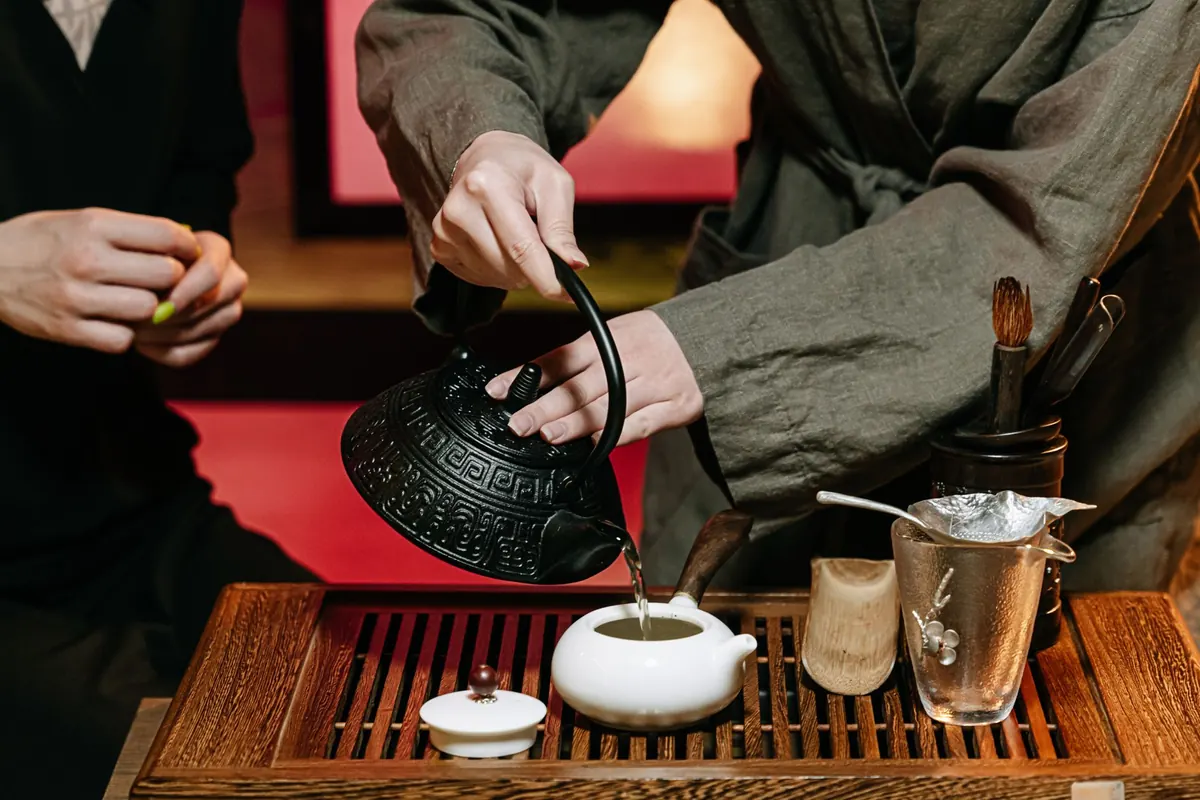
The best teapot reviews start with a full pot, not a product photo. Anyone can describe a glaze or the curve of a spout. What readers need to know is whether the thing drips on the tablecloth, whether the second cup is still hot, and whether washing it on a Sunday night feels like a chore.
Here is a framework you can run in an afternoon with a kettle, a thermometer, a mug, and a notebook.
Consistency matters more than equipment. Test three pots on three different days with different water, and you end up reviewing your kitchen instead of the teapots.
One more thing: wipe the rim dry before pouring. A wet rim drips differently and makes a decent pot look careless.
This is the test people skip and the one that decides daily happiness. A pot with a lovely glaze and a lazy spout will sit on the shelf by month two.
A pour has three moments: the first second, the steady middle, and the finish. Drips often appear at the very end, when the pot is tilted far and the last of the liquid has to travel up the spout. That is where a badly shaped tip shows itself.
Set a 300 ml mug on the counter and time how long it takes to fill. Ten seconds is pleasant. Thirty turns every cup into a small ceremony whether you wanted one or not. Too fast is its own problem — a wide-open spout can splash and flood the cup before you can react.
Leaf size matters. Whole leaves rarely block a strainer; broken leaves and fannings will. If you drink mostly one style, test with it.
Fill the pot with just-boiled water, lid on, and take the temperature at 0, 10, 20, and 30 minutes. Without a thermometer, rest a hand near the wall at each interval and write down what you feel — warm, hot, barely there — noting that it is a rough measure.
Material and wall thickness do most of the work. Thin glass cools quickly. Thick clay and cast iron hold heat longer, though cast iron keeps steeping the leaves, which can push a delicate tea bitter if you leave them in. Lid fit matters more than buyers expect: a loose lid leaks steam and heat from the top, where you cannot see it happening.
Report the conditions alongside the numbers. A pot that drops from 95 C to 70 C in half an hour in a cool room is giving you a genuinely useful cup; the same pot in a warm kitchen will look better than it is. If you sip slowly, a tea cozy is not a compromise — it is part of the setup.
Fill the pot to a realistic level and hold it one-handed for thirty seconds before pouring. Then pour slowly, twice. Your wrist will tell you what a photo cannot.
If you are left-handed, test with your left hand. Plenty of pots feel fine in the right hand and awkward in the other.
Let the pot cool first. A hot glaze or clay shocked with cold water can crack, and there is no reason to risk it.
On dishwasher claims: many clay and cast iron pots should be washed by hand, and some glazes and decals will not survive a hot cycle. Follow the maker's guidance; when in doubt, wash by hand. For mineral film inside, a diluted citric acid or white vinegar soak works on many wares, but rinse thoroughly and skip abrasives on glazes.
Score each category from one to five, then weight them for the reader you have in mind. A bedside pot for one needs an excellent pour and handle and can forgive modest heat retention. A breakfast pot for four needs volume, a steady stream, and a handle you can hold while half awake.
Write down the conditions, the number of sessions, and the tea you used. "No drips after eleven pours, mild drip at the tip once the pot was below a third full" is worth more than any adjective.
Then ask the only question that matters: which pot would you reach for on an ordinary Tuesday morning, before you have had your tea? That is the one worth recommending.
Photo: Ivan S / Pexels
A beginner's guide to tea accessories: the few tools that genuinely improve your brewing, the order to buy...
Loose leaf and tea bags compared on flavour, cost per cup, convenience and waste — plus a practical way to...
Professional tea tasting comes down to attention: aerating each sip, reading aroma in three stages, and...