How to Review a Teapot: Pour Test, Heat Retention, and Cleanup Checklist
A repeatable framework for judging any teapot — how to test the pour, measure heat retention, check handle...

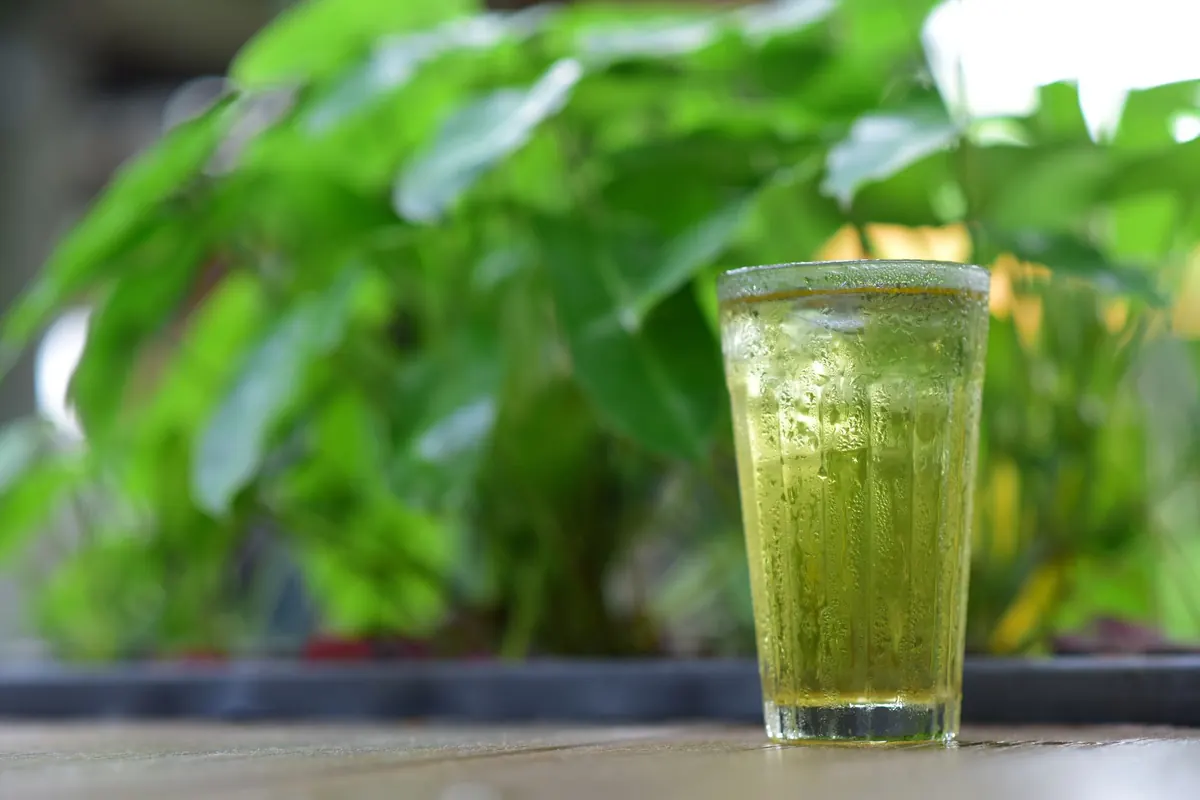
Cold brew tea is the quietest way to make iced tea. No kettle, no rush, no cloud of steam — just leaf, cold water, and time in the fridge. What comes out is usually softer than hot tea that's been chilled: less astringency, a rounder sweetness, and aromatics that survive instead of cooking off. The whole method comes down to two decisions — how much leaf, and how long you wait.
Hot water is fast and indiscriminate. In three or four minutes it pulls out the brisk, tannic compounds that give black tea its snap and make an oversteeped green taste sharp, along with everything you actually wanted. Cold water works slowly and more selectively. Over several hours the leaf gives up more of its sugars and aromatics relative to the harsh stuff, so a cold-brewed sencha tastes rounder and sweeter than the same tea brewed hot and poured over ice.
Caffeine follows the same slower curve. A cold brew generally extracts less caffeine than a quick hot steep of the same leaf, though an overnight soak pulls out more than a four-hour one. If you're sensitive to caffeine, keep the steep shorter and lean on herbals after midday.
Most disappointing batches come from guessing. A level tablespoon of loose leaf can weigh anywhere from 2 to 5 grams depending on how big and fluffy the leaves are, which is why a cheap kitchen scale makes cold brew much easier to repeat.
Match the ratio to how you'll drink it. A concentrate suits a household that goes through iced tea all week; if you want one tall glass, brew a single serving at ready-to-drink strength and skip the math.
These windows are for the fridge, where water sits around 4°C and extraction slows to a crawl. If you brew on the counter, cut the time by about a third and taste early — warm rooms turn a clean batch sour faster than you'd expect.
Gyokuro and fine sencha are ready in 3–5 hours, sweet and marine. Chinese greens like dragon well land around 4–6 hours. Silver needle and white peony need 6–8 hours to draw out their honeyed notes.
Floral rolled oolongs such as tie guan yin take 6–8 hours. Roasted styles like dong ding want closer to 10 to soften the toast.
Assam, Ceylon, and Keemun are forgiving and make a brisk, clean glass at 8–10 hours. Darjeeling first flush is lighter — check it at 6–8 hours so its muscatel edge doesn't turn sharp.
Dense and forgiving. Put them in before bed and strain in the morning.
Rooibos, peppermint, and lemongrass want 8–12 hours. Hibiscus is fast and loud — 4–6 hours is plenty, or it turns bracingly tart.
Cold brewing flatters teas with sweetness, aroma, and low tannin. It's less kind to anything that depends on heat to open up, or that's already ground to dust.
Worth brewing: sencha, gyokuro, dragon well, jasmine green, silver needle, white peony, tie guan yin, hojicha, genmaicha, Darjeeling first flush, Ceylon, Assam, Keemun, rooibos, peppermint, lemongrass, hibiscus, chamomile.
Handle with care: cheap tea-bag dust and fannings, which go bitter within a few hours; spiced chai blends, whose cinnamon, cardamom, and clove need heat to bloom, leaving a flat and faintly spicy drink; heavily flavored blends with oils or candy pieces, which taste artificial when the base tea is thin; and smoked teas like lapsang souchong, better used as a splash in a concentrate than as a full glass.
Matcha is its own case. It's a powder, not an infusion, so there's nothing to steep — whisk it with cold water and ice until it foams, or shake it hard in a lidded jar.
Photo: Sóc Năng Động / Pexels
A repeatable framework for judging any teapot — how to test the pour, measure heat retention, check handle...
A beginner's guide to tea accessories: the few tools that genuinely improve your brewing, the order to buy...
Loose leaf and tea bags compared on flavour, cost per cup, convenience and waste — plus a practical way to...