How to Review a Teapot: Pour Test, Heat Retention, and Cleanup Checklist
A repeatable framework for judging any teapot — how to test the pour, measure heat retention, check handle...


A tea calendar is less a set of rules than a way of paying attention. The same leaf tastes different in January than it does in July, and part of that is the weather, part is the light, and part is whatever you happen to need from a cup that day. What follows is a month-by-month guide to what tends to taste right when: which teas to reach for, how to brew them, and why the pairing works. Treat the boundaries as soft. A cold snap in May is still a cold snap.
Deep winter asks for teas with body. This is the season for shou pu'er, roasted oolongs like yancha and roasted Tieguanyin, and black teas with malt and cocoa in them: Yunnan Dian Hong, Assam, Keemun, a smoky lapsang souchong when the mood runs that way. Aged white tea, pressed into cakes and left alone for years, also belongs here; it brews dark, honeyed, and surprisingly deep.
Brew hot and brew short. Water at a full boil, and preheat the pot or gaiwan with hot water before the leaf goes in, so the first steep doesn't lose its heat to cold ceramic. In a gaiwan, use 5 to 7 grams per 100 ml and keep the first steep to 10 or 15 seconds, adding a few seconds each round. Strong is not the same as bitter.
On a slow Sunday, simmer 200 ml of water with one heaped teaspoon of Assam, a few slices of ginger, and three crushed cardamom pods for three minutes. Add 150 ml of whole milk and simmer two minutes more, then sweeten and strain. Keep it at a lazy bubble; a hard boil flattens the spice.
If a winter tea tastes thin, add leaf rather than time. Long steeps pull tannin long before they pull flavour.
Spring reaches the cup before it reaches the garden. First flush Darjeeling starts arriving from late March, pre-Qingming Longjing lands in early April, and the first Japanese shincha follows close behind. These are light, green, and impatient teas.
Brew them cool: roughly 75 to 80°C, two to three minutes, about 3 grams per 200 ml. Boiling water on a fresh green turns it into spinach and bitterness. If you have no thermometer, let the kettle sit for four or five minutes after it clicks off.
Drink them young. First-flush greens fade within months, so buy what you will finish and store the rest sealed, in the dark, away from the spice rack. Expect cut grass, chestnut, sweet pea, and a clean astringency that lingers pleasantly at the back of the throat.
As the weather warms, the palate wants less weight. White teas such as Bai Hao Yin Zhen and Shou Mei are ideal now, and they reward a generous hand: 5 grams per 200 ml at about 85°C for three to four minutes, or the same leaf brewed gongfu-style in short steeps at 4 grams per 100 ml.
This is also the bridge into oolong. Light, floral styles — Bao Zhong, greener Tieguanyin, the buttery "milk" oolongs — sit comfortably at 90°C with quick infusions. And keep an eye out for second flush Darjeeling, arriving late May into June, rounder and more muscatel than the spring picking.
Tea brewed hot and then chilled often turns harsh; cold extraction pulls sweetness forward and leaves much of the bitterness behind. It is also nearly impossible to ruin.
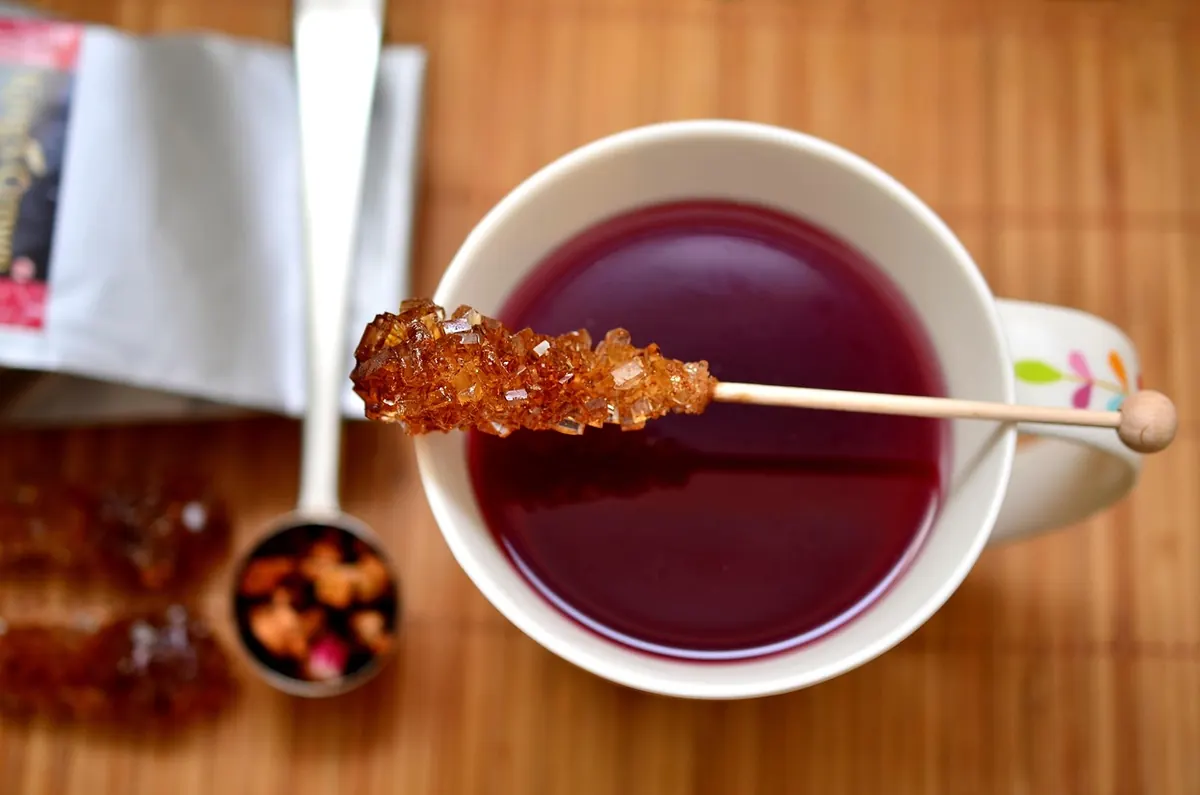
Good candidates for the bottle: cold-brewed sencha, iced oolong, genmaicha, roasted hojicha, and caffeine-free mugicha, the Japanese roasted barley tea that tastes faintly of toasted bread. Hibiscus with a sprig of mint makes a tart, deep-red pitcher that pleases people who claim not to like tea. Brew in the fridge rather than on a sunny windowsill; the refrigerator keeps the result predictable.
Autumn is oolong's season, and not only by tradition — the autumn picking of Tieguanyin arrives now, alongside Dan Cong oolongs and the darker, more roasted styles. These teas handle 90 to 95°C well and shine in a gaiwan: 5 grams per 100 ml, steeps of 15 to 20 seconds, six or more rounds from the same leaf.
Listen for orchid, roasted nuts, stone fruit, and honey. Where summer called for something cold and quick, October calls for a small pot you return to over an hour. If you drink tea at a desk, this is the month a thermos of roasted oolong starts earning its keep.
The year closes the way it opened. Aged white tea, shou pu'er, hojicha after dinner, black tea with a strip of orange peel dropped into the pot, and the first proper masala chai of the season all fit here. This is the time for teas that taste like something you baked.
Hojicha is worth keeping on the shelf through the holidays: roasted, gentle, low in bitterness, and easy to drink late without keeping you awake the way a strong black tea might. Brew it at 95°C for a minute and don't overthink it.
You do not need twelve months of tea. Keep three tins on the counter — one green or white, one oolong, one dark — and rotate whichever one you reach for least. Buy in small amounts twice a year rather than stocking up once, and store everything airtight, in the dark, away from coffee and spices, which travel into tea faster than you would expect.
Adjust to weather rather than the calendar on the wall. If it snows in April, brew the pu'er. If a green tea you loved in spring tastes flat by August, put it away and try it again in six months; sometimes the leaf is fine and the timing was wrong.
One practical note: if caffeine keeps you awake, keep the strong black teas and pu'er for the morning and lean on hojicha, mugicha, and herbals in the evening. If you are pregnant, take medication, or manage a health condition, ask a clinician about your caffeine intake rather than relying on a tea calendar.
Photo: pasja1000 / Pixabay
A repeatable framework for judging any teapot — how to test the pour, measure heat retention, check handle...
A beginner's guide to tea accessories: the few tools that genuinely improve your brewing, the order to buy...
Loose leaf and tea bags compared on flavour, cost per cup, convenience and waste — plus a practical way to...